Best Flooring for Kitchens in Richmond, VA
Published on:
December 16, 2025

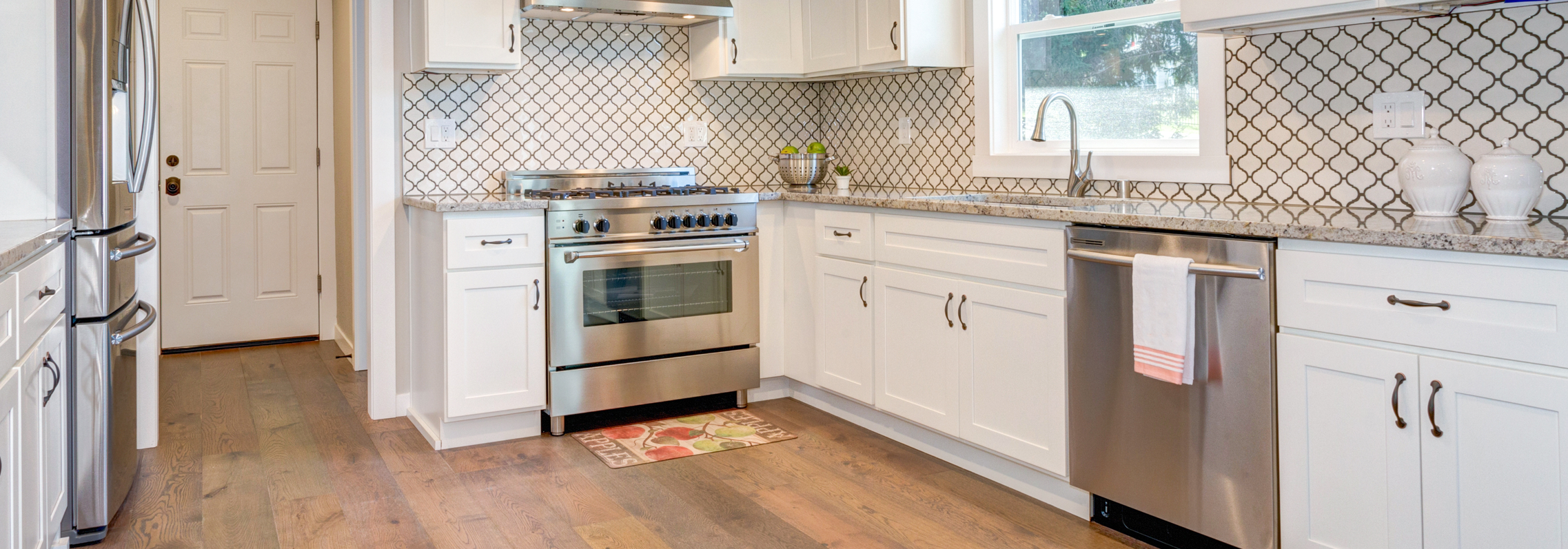
Your kitchen is probably the busiest room in your house. Think about it. Morning coffee spills, kids tracking in mud after soccer practice at Byrd Park, dinner prep disasters, and that time you dropped an entire jar of marinara sauce right in front of the stove. Richmond kitchens see it all.
So when it comes to picking new flooring for this hardworking space, you need something that can handle real life. Not just something that looks pretty in a showroom. You need flooring that survives water splashes, heavy foot traffic, dropped pots, and years of daily use.
In this guide, we are going to walk through the best kitchen flooring options for Richmond area homes. We will cover what works, what does not, and how to pick the right floor for your lifestyle and budget. Whether you live in a historic Fan District rowhouse, a newer Short Pump subdivision, or anywhere in between, this guide has you covered.
Before we dive into specific flooring types, let us talk about why kitchens are so tough on floors.
Kitchens deal with moisture constantly. Water splashes from the sink. Ice cubes fall and melt. Steam rises from boiling pasta. Spills happen every single day. This is why flooring that works great in your living room might be a terrible choice for your kitchen.
Richmond's climate adds another layer of challenge. Our summers are hot and humid. Our winters swing between mild and surprisingly cold. This constant temperature and humidity change can cause certain flooring materials to expand, contract, warp, or buckle if they are not designed to handle it.
Then there is the foot traffic factor. Your kitchen probably gets more steps per day than any other room. Family members walking through to grab snacks. Friends gathering around the island during parties. Pets running in expecting dinner. All of that adds up to serious wear and tear.
The good news? There are several flooring options that handle all of this beautifully. Let us break them down.
If you have been shopping for flooring recently, you have probably heard a lot about luxury vinyl plank, also called LVP. There is a good reason for that. This stuff is basically made for kitchens.
What Makes LVP So Good for Kitchens
Luxury vinyl plank is 100% waterproof. Not water resistant. Waterproof. You can spill an entire pot of soup on it, and as long as you clean it up within a reasonable time, your floor will be completely fine. For a room where water hits the floor daily, this matters a lot.
LVP is also incredibly durable. It resists scratches, dents, and scuffs way better than most people expect. If you have ever worried about dropping a cast iron pan or dragging a heavy appliance across the floor, LVP can handle it.
Here is something Richmond homeowners really appreciate: LVP handles our humidity swings like a champ. Unlike hardwood or even some laminate products, quality vinyl plank does not expand and contract much with humidity changes. This means no gaps appearing in winter or buckling in summer.
The Look Factor
Modern LVP looks nothing like the cheap vinyl your grandparents had in their kitchen. Today's luxury vinyl planks come in designs that genuinely look like real hardwood or natural stone. We are talking realistic wood grain textures, knots, and color variations that fool most people at first glance.
You can get LVP that mimics everything from rustic reclaimed barn wood to sleek modern oak. If you want a classic look that would fit right in at one of those beautiful Church Hill homes, there is an LVP for that. If you prefer something more contemporary for your Midlothian kitchen renovation, there is an option for you too.
Comfort and Maintenance
LVP feels warmer and softer underfoot than tile. If you spend a lot of time cooking, this makes a noticeable difference on your feet, back, and legs. Many LVP products come with attached underlayment that adds even more cushion and helps reduce noise.
Cleaning is about as easy as it gets. Sweep or vacuum regularly. Mop with a vinyl safe cleaner when needed. That is it. No special treatments, no sealing, no waxing.
What to Watch Out For
The quality of LVP varies a lot depending on the product. Cheaper options might look fine at first but can fade, scratch, or wear through faster. The thickness of the wear layer matters. Thicker wear layers last longer and look better over time.
Also, while LVP is waterproof on the surface, water can still get underneath through the edges if installation is not done properly. Professional installation makes a real difference here.
Tile has been a kitchen flooring favorite for decades, and for good reason. It is tough, waterproof, and lasts basically forever with proper care.
Ceramic vs Porcelain: What is the Difference?
When people say tile, they usually mean either ceramic or porcelain. Both work great in kitchens, but there are some differences worth knowing.
Ceramic tile is slightly softer and easier to cut, which can make installation a bit simpler. It costs less than porcelain on average. It is plenty durable for most residential kitchens and comes in a huge variety of colors, sizes, and patterns.
Porcelain tile is denser and harder than ceramic. It gets fired at higher temperatures during manufacturing, which makes it more resistant to water absorption. Porcelain handles heavy traffic even better than ceramic and is less likely to chip or crack. It costs more, but many Richmond homeowners consider it worth the investment for a kitchen floor that might outlast the house.
Design Possibilities
Tile gives you more design options than almost any other flooring type. You can go with classic subway tiles, large format modern squares, intricate mosaic patterns, or natural stone looks. Want something that looks like marble? There is a porcelain tile for that. Prefer a rustic terra cotta vibe? You can find that too.
Richmond has so many different home styles, from historic properties near VCU to brand new construction in Glen Allen. Tile works with all of them because the design possibilities are nearly endless.
The Durability Factor
Properly installed tile is incredibly long lasting. We are talking 50 years or more. It does not fade in sunlight, does not stain easily, and does not care about humidity changes. If you want flooring you can install once and basically forget about, tile is hard to beat.
Tile also holds up to real kitchen life. Dropped something heavy? Tile can take it. Pet claws? Not a problem. Kids sliding across the floor in socks? Tile does not care.
Things to Consider
Tile is hard. Really hard. This is great for durability but not so great for standing on for long periods. If you do a lot of cooking, your feet and back might notice. Anti fatigue mats near the stove and sink help a lot.
Tile also feels cold, especially in winter. Richmond winters are not extreme, but stepping onto cold tile on a January morning is not the most pleasant experience. Radiant floor heating is an option if this bothers you, though it adds significant cost.
The grout between tiles needs attention. Grout can stain and discolor over time if it is not sealed properly. It also requires occasional resealing to stay looking good. This is not a huge deal, but it is more maintenance than LVP requires.
Installation matters enormously with tile. Richmond's clay soil and the settling that happens in many older homes can cause cracking if the substrate underneath is not prepared correctly. This is not a DIY project for most people. Professional installation is really important.
Laminate flooring has come a long way from the cheap, fake looking stuff of 20 years ago. Modern laminate can look surprisingly good and costs less than most other options.
When Laminate Works in Kitchens
Here is the key thing to understand about laminate in kitchens: you need waterproof laminate, not just regular laminate. Traditional laminate has a wood fiber core that swells and warps when it gets wet. Not great for a kitchen.
Waterproof laminate uses a different core material that will not absorb water. If you are going to put laminate in your kitchen, make sure you are getting a product specifically designed for moisture prone areas.
The Pros of Laminate
Laminate gives you the look of hardwood at a fraction of the cost. For Richmond homeowners who love the warm appearance of wood floors but have a tighter budget, this is appealing. Modern laminate does a pretty convincing job of imitating various wood species and finishes.
Installation is typically faster than tile, which can mean lower labor costs. Many laminate products use a click lock system that goes together quickly. This also means the floor can be ready to walk on immediately after installation.
Laminate is easy to clean. Sweep, vacuum, damp mop. Done. It is also fairly resistant to scratches and fading.
The Limitations
Even waterproof laminate has its limits. If water sits on the surface for too long or gets into the seams, problems can develop. It is not as bulletproof as LVP or tile when it comes to moisture.
Laminate also cannot be refinished. Once the wear layer is damaged, the whole floor needs to be replaced. With a lifespan of 15 to 25 years under good conditions, this is not necessarily a dealbreaker, but it is worth knowing.
The feel underfoot is harder than LVP, though softer than tile. Some people find it has a slightly hollow sound when you walk on it, though quality underlayment helps with this.
Hardwood floors are beautiful. There is no denying that. A lot of Richmond homes, especially older ones in neighborhoods like the Museum District or Woodland Heights, have gorgeous original hardwood throughout. It makes sense that homeowners want that same warmth and character in their kitchens.
But here is the honest truth: kitchens and hardwood are not the best match.
The Moisture Problem
Wood and water do not get along. Even sealed hardwood is not waterproof. It is water resistant at best. In a room where water hits the floor multiple times daily, this creates real risk.
Splashes around the sink. Spills in front of the refrigerator. Water dripping from dishes. Over time, this moisture can cause hardwood to warp, cup, or develop gaps between boards. In Richmond's humid summers, these problems get even worse.
If You Really Want Hardwood
Some people love the look of hardwood so much that they are willing to accept the extra maintenance and risk. If that is you, here are some tips.
Engineered hardwood handles moisture better than solid hardwood. The layered construction is more stable and less prone to warping. It is not waterproof, but it is a safer choice than solid planks.
Wipe up spills immediately. Do not let water sit on the floor. Put mats in front of the sink and dishwasher. Run your kitchen exhaust fan while cooking to reduce humidity.
Be prepared for more maintenance than other flooring types. You may need to refinish hardwood more often in a kitchen than in other rooms.
A Better Alternative
If you love the hardwood look but want something more practical for a kitchen, consider LVP or laminate designed to look like wood. Today's products are so realistic that most guests will never know the difference, and you will have flooring that actually makes sense for the room.
Now that we have covered the main flooring types, let us talk about how to pick the right one for your specific situation.
Your Home's Age and Style
Richmond has homes ranging from 100+ year old Victorian beauties to brand new construction. The right flooring can vary depending on what you are working with.
Older homes in areas like The Fan or Jackson Ward often have character that homeowners want to preserve or complement. Natural looking tile or wood look LVP can work well in these spaces without feeling out of place.
Newer homes in Short Pump, Glen Allen, or Midlothian often have more modern, open floor plans. Large format tile or contemporary LVP designs tend to complement these spaces nicely.
Your Lifestyle
Be honest with yourself about how your kitchen actually gets used.
Do you cook elaborate meals regularly, spending hours on your feet? Softer flooring like LVP might feel better over time.
Do you have kids or pets? Durability and easy cleaning should probably top your priority list.
Do you entertain often, with guests spilling in and out of the kitchen? Something that hides dirt well and cleans up easily will make your life simpler.
Do you prioritize low maintenance? LVP or laminate might beat tile, which requires grout maintenance.
Your Budget
Kitchen flooring costs vary quite a bit. Here is a general idea of what to expect:
Sheet vinyl is the most budget friendly option, though it lacks the look and durability of LVP.
Laminate and LVP fall in the middle range, with prices varying based on quality and thickness.
Tile ranges from affordable ceramic to premium porcelain and natural stone.
Hardwood sits at the higher end, especially for quality solid or engineered products.
Remember to factor in installation costs, not just material costs. Some flooring types require more labor intensive installation than others.
Richmond's Climate Considerations
Our humid summers and variable weather mean moisture performance really matters. LVP and tile handle Richmond's climate best. If you choose laminate or hardwood, make sure you are getting products designed to handle humidity fluctuations.
Also think about how your kitchen connects to the outdoors. If you have a back door that leads from the kitchen to the yard, your floor will see more dirt, moisture, and temperature variation. Waterproof options become even more important.
Picking kitchen flooring can feel overwhelming with so many options. Here is a simplified way to think about it.
If you want the best combination of looks, durability, water resistance, and comfort, LVP is probably your winner. It does everything well.
If you want maximum durability and do not mind a harder feel underfoot, tile is the classic choice that will last forever.
If budget is your main concern and you do not mind being more careful about water, waterproof laminate gets you a nice look for less money.
If you absolutely love the look of real wood and are willing to accept more maintenance and risk, engineered hardwood is the safest hardwood option for kitchens.
Choosing kitchen flooring is a big decision. Your kitchen floor will be there every morning when you make coffee, every evening when you cook dinner, and every time you walk through the heart of your home. It is worth taking the time to pick something you will love.
At James River Flooring, we help Richmond area homeowners find the perfect flooring for their kitchens every day. We know the local climate, we understand the challenges of different home styles, and we carry quality products at various price points.
Want to see samples in your actual kitchen, with your lighting and your cabinets? We offer free in home consultations throughout the Richmond metro area. No pressure, no obligation. Just honest advice from flooring experts who live and work right here in the same community.
Whether you are renovating a kitchen in the West End, updating a Mechanicsville ranch, or building new in Hanover County, we would love to help you find flooring that works for your life.
Contact James River Flooring today to schedule your free consultation. Let us help you find kitchen flooring that looks amazing and stands up to real Richmond life.
Ready to transform your space with beautiful new flooring? Contact us today for your free in-home consultation and estimate. Our expert team is here to answer your questions and help you find the perfect flooring solution for your home or business.